A-PREMIUM APPS0465 Air Conditioner Pressure Sensor Pins Tesla
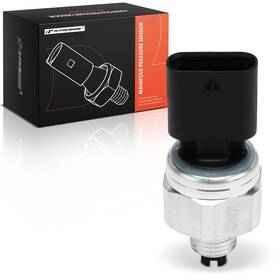
( Brand: A-premium ), ( Manufacturer Part Number: APPS0465 ), ( Part Type: Air Pressure Conditioner Sensor )
Review A PREMIUM Air Conditioner Pressure Sensor Pins Compatible Tesla Mode
The **A-Premium Apps0465 Air Conditioner Pressure Sensor Pins for Tesla** represents a meticulously engineered, high-performance replacement solution designed to restore optimal functionality to your Tesla vehicle s climate control system. Crafted with precision and built to Tesla s exacting standards, these premium sensor pins are engineered to interface seamlessly with the AC pressure sensor, ensuring accurate readings of refrigerant pressure levels within the HVAC system. Constructed from durable, corrosion-resistant materials, these pins are engineered to withstand the rigorous demands of Tesla s advanced cooling infrastructure, including exposure to fluctuating temperatures, electrical currents, and mechanical stress. The components feature a robust, gold-plated contact surface to prevent oxidation and maintain a consistent, low-resistance connection, thereby enhancing signal integrity and prolonging the lifespan of the sensor assembly. Ideal for Tesla models equipped with the Apps0465 pressure sensor, these pins are a direct-fit replacement, eliminating the need for modifications or adaptations, and are compatible with both original and aftermarket sensors. Whether addressing issues related to refrigerant leaks, sensor malfunctions, or degraded electrical contacts, these pins provide a reliable, long-lasting solution that upholds Tesla s commitment to performance and reliability. Perfect for DIY enthusiasts, professional technicians, and Tesla owners seeking to maintain peak efficiency in their vehicle s climate control system, these premium sensor pins are a testament to quality craftsmanship and engineering excellence.
### Pros and Cons of Buying a Premium Air Conditioner Pressure Sensor (e.g., for Tesla or Automotive Applications)
#### **Pros:**1. **Enhanced Performance and Efficiency** High-quality pressure sensors provide accurate readings, ensuring optimal refrigerant flow, compressor operation, and overall system efficiency. This reduces energy waste and extends the lifespan of the AC unit.
2. **Reliability and Durability** Premium sensors are typically built with robust materials and advanced manufacturing techniques, reducing the risk of failure due to wear, corrosion, or electrical issues. This is particularly important in high-stress environments like automotive applications.
3. **Precision and Calibration** High-end sensors offer superior accuracy, which is critical for maintaining proper pressure levels in refrigeration cycles. This prevents overheating, freezing, or system malfunctions that could lead to costly repairs.
4. **Compatibility with Advanced Systems** In modern vehicles like Teslas, which rely on sophisticated diagnostics and control modules, premium sensors integrate seamlessly with onboard systems. They provide real-time data that can be logged and analyzed for predictive maintenance.
5. **Long-Term Cost Savings** While the upfront cost is higher, the longevity and reliability of premium sensors reduce the need for frequent replacements or emergency repairs, saving money over time.
6. **Warranty and Support** Reputable manufacturers often provide warranties and technical support, ensuring that any defects or issues are addressed promptly.
7. **Compatibility with Aftermarket and Custom Systems** For enthusiasts or those modifying vehicles (e.g., Tesla conversions), premium sensors ensure that aftermarket or custom AC systems function correctly without compatibility issues.
---
#### **Cons:**1. **Higher Initial Cost** Premium sensors are significantly more expensive than generic or low-end alternatives. This can be a barrier for budget-conscious buyers or those on a tight budget.
2. **Potential Overkill for Basic Applications** If the air conditioning system is not high-performance or does not require extreme precision (e.g., in a standard non-luxury vehicle), a mid-range sensor may suffice, making the premium option unnecessary.
3. **Complex Installation or Calibration** Some high-end sensors may require professional installation or calibration to ensure they function correctly within the vehicle s system. This adds to labor costs if not handled in-house.
4. **Limited Availability or Longer Lead Times** Specialized or brand-specific sensors (e.g., Tesla OEM or high-performance automotive parts) may not be as readily available as generic alternatives. This could result in delays if replacement is needed urgently.
5. **Risk of Overcomplicating Diagnostics** While premium sensors provide detailed data, this can sometimes overwhelm DIY enthusiasts or mechanics unfamiliar with interpreting advanced sensor readings, leading to misdiagnosis or unnecessary repairs.
6. **Potential for Obsolescence** In rapidly evolving industries like automotive technology, some premium sensors may become outdated quickly, especially if the vehicle s software or system architecture changes.
7. **Dependence on Brand Loyalty** Some premium sensors are proprietary and may only work with specific brands or models. This can limit flexibility if the vehicle is modified or upgraded in the future.
---
### **Conclusion:**Premium air conditioner pressure sensors are a worthwhile investment for high-performance vehicles, enthusiasts, or those prioritizing longevity and efficiency. Their accuracy, durability, and compatibility with advanced systems justify the higher cost in applications where reliability and precision are critical such as in Teslas or custom automotive setups. However, for standard or low-demand applications, the added benefits may not outweigh the expense, making mid-range or OEM sensors a more practical choice.
### **Recommendation:**- **For Tesla or High-Performance Vehicles:** Invest in a premium, OEM-grade, or high-reputation aftermarket sensor (e.g., from brands like **TE Connectivity, Honeywell, or Bosch**) to ensure compatibility, accuracy, and long-term reliability. If modifying the system, verify that the sensor meets the vehicle s diagnostic and control module requirements.
- **For Standard Vehicles or Budget-Conscious Buyers:** Opt for a high-quality OEM or reputable aftermarket sensor that balances cost and performance. Avoid overly cheap sensors, as they may fail prematurely and lead to more significant issues.
- **For DIY Enthusiasts:** Ensure you have the technical knowledge or access to professional support for installation and calibration. If unsure, consult a specialist to avoid voiding warranties or causing system damage.
Ultimately, the decision depends on your specific needs, budget, and the demands of your air conditioning system. Prioritize quality when performance and longevity are non-negotiable.
Details:
Part Number: APPS0465. Warranty: One Year Unlimited Mileage Quality Guarantee. Manufacturer: . Benefits: Manufactured to exacting OEM specifications.
Vehicle Fitment: Compatible with Tesla model 3 2018 -2022,s 2017 -2022, X Y 2020 -2022. Reference Number: 158161000A, 1581610-00-A, 158161000B, 38974, V58730014. Made from high performance materials to ensure consistent. A-Premium Air Conditioner Pressure Sensor 4 Pins Compatible with Tesla model 3 2018 -2022,s 2017 -2022, X Y 2020 -2022: Brand Name.
Fast response and precise testing for stable engine operation.
part #: apps0465 price
- $71.63
specifications acondne:
- brand: A-premium
- mpn: Apps0465
- part type: Air Pressure Conditioner Sensor
returns acondne:
- policy: No Returns
offer acondne:
- sold: 0
- options: Ship-to-home
- quantity: 1
- started: May 28, 2026
- availability: In Stock
seller acondne:
- city: US
- rating: 100.0%
- # reviews: 557
shipping acondne:
- type: Fixed
- service: Standard
- transit: 4-8 Days
- class: Standard
- cost: $0.00
general acondne:
- Heating, Cooling Air > Central Heating Cooling Systems > Central Air Conditioners
- condition: New
payments acondne:
- other
- credit card: Discover
- wallet: Apple-pay
A-premium APPS0465 Is Similar To:
- 702868268515 Premium Portable Clockwise Inch Wide Air Conditioner Exhaust (34.7% similar) This hose can be used repeatedly and will last you a long time. This hose is 5 inches in diameter width and will stretch up to 60 length . We ask that you utilize internal messaging system. Fast and free shipping. This product is also portable and lightweight comes to you in a compact length ...(August 7th, 2018)
- 717760645814 Premium Air Conditioner Accessories Outside Universial Winter Cover (51.7% similar) 25 x 11 9 inch's.if damaged parts are the Taft screen or has less than 3 dead pixels. Orders from the USA will all be shipped out via USPS. B damage caused by natural disasters, flood fire, lightning or pollution...(November 22nd, 2018)
- 769194521288 Safegood Air Conditioner Exhaust Hose Premium Portable Ac (40.2% similar) Adjustable length the tube can be easily extendable from 12. Compatible with most portable ac exhaust vent hose fits to of the popular air conditioners such as sharp, Samsung, daylong, lg, hazier, Danny, Honeywell, edge star etc. Premium air conditioner exhaust hose has counter clockwise wind and ...(July 2nd, 2018)
- Ac-501 Premium Interior Air Conditioner 0610635015012 (38.1% similar) Stitched-in heavy duty elasticized cord holds firm. With or without a transformer, this product is not recommended for use outside the us. Deep fits best with 5,000-8,000 btu range ac'neutral color blends any decor product height in. Neutral color blends with any decor. Only factory defects are ...(October 24th, 2018)
- Ac-502 Ac-safe Premium Interior Air 0610635015029 (22.4% similar) ...(February 9th, 2018)
- Ac-503 Ac-safe Premium Interior Air 0610635015036 (22.4% similar) Wide x 4 in. Stitched-in heavy duty elasticized cord holds firm. Neutral color blends with any decor. Deep fits best with 12,000-24,000 btu range neutral color blends any decor product height in.: 21 product width in...(January 15th, 2018)
- Pac12337 Premium Mini Split Air Conditioner System Ductless Btu Sqf (38.5% similar) Damage caused by frozen or broken water pipes in the event of equipment failure. Increase in fuel or electric cost. The product remains in original installation location. The cost of labor, shipping, or material charges damages that may result from transportation, installation, servicing. Shall not ...(June 3rd, 2018)
- Piaw12169a-70b Premium Btu Ton Ductless Mini Split Air Conditioner 715688077786 (30.1% similar) 69 air handler width in. 44 air handler height in outdoor condenser sold separately 110-VOLT 60HZ 12,000 btu cooling heating cools heats sq. It is driven with inverter technology that provides fast cooling heating to reach the desired temperature and keeps your room steady. 57 compressor depth...(July 27th, 2018)
- 24242603 Sugarhouse Custom Covers Outdoor Air Conditioner Cover Premium 696574275564 (31.5% similar) Simply choose your choice of colors and then specify the size that custom fits unit. Each of our covers is made using only breathable canvas which allows air to circulate and prevents harmful condensation. Each cover includes a corner opening to accommodate any wires, pipes or hoses while draw-rope ...(November 19th, 2019)
- Na Premium Btu Air Conditioner Mini Split Seer 0893088008026 (39% similar) 00OUTDOOR noise level: 55 db a resistance properties:abrasion resistant energy STAR:COMPLIANTSIZE:1 TON seer :19STYLE:MODERNHEAT PUMP:YESREFRIGERANT:R 410a PROTECTION properties:discharge protection brand:premium outdoor box dimensions in: 37. 50COMPRESSOR type:rotary indoor noise level hi med lo: ...(March 31st, 2021)
- Lx-acc19h-363639 Lx Premium Central Air Conditioner Covers For Outside Units Ac (41.6% similar) Premium air conditioner cover - cover the central a/c unit, size 36INCHLONG x 36INCH width x 39INCH height . Color: burgundy red beige. Us patent pending. The LX LX-ACC19H-363639 is in new condition...(February 2nd, 2022)